 ••• •••
|
||||||||||||||||
.
|
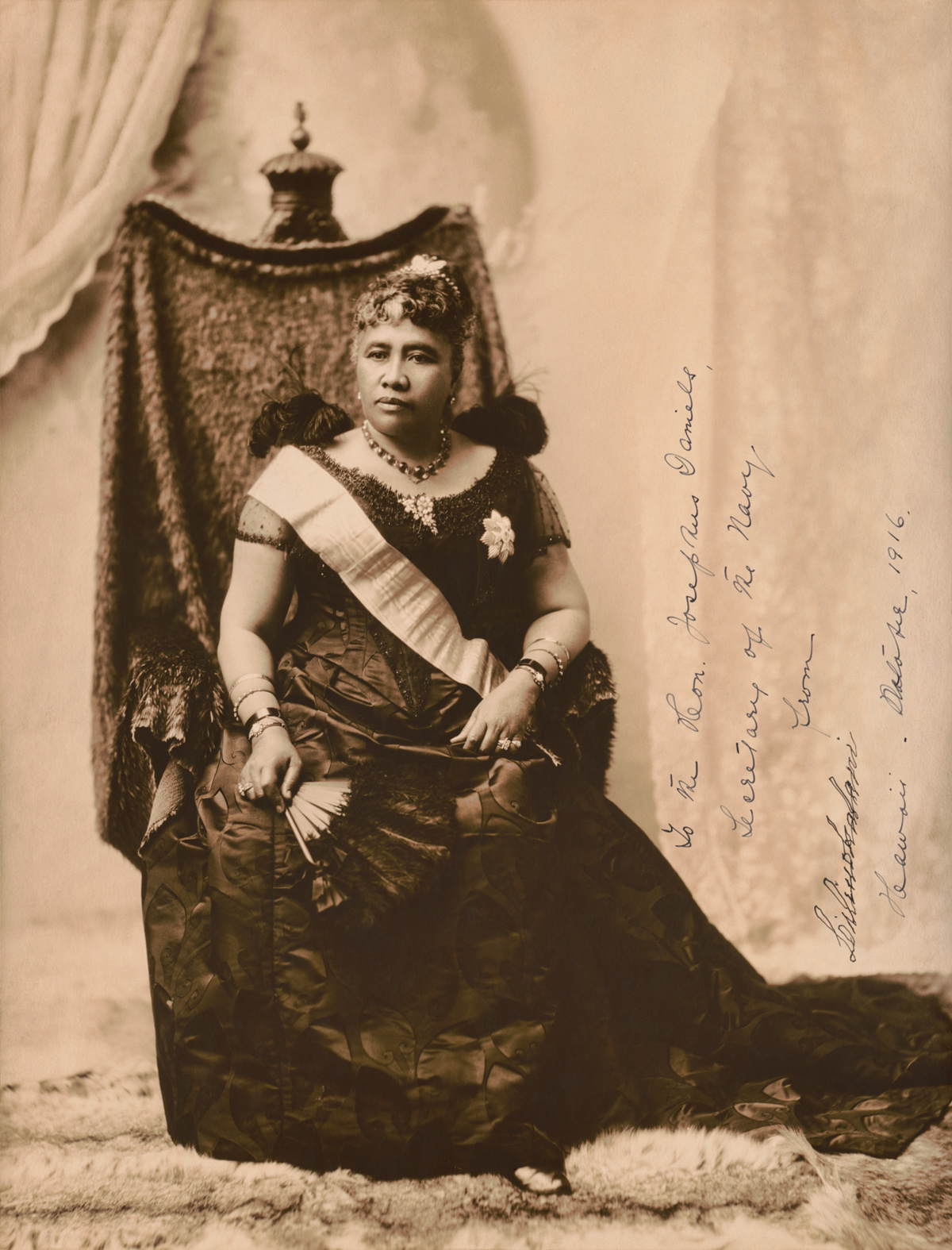
 Sanoe Musings
 New Notes
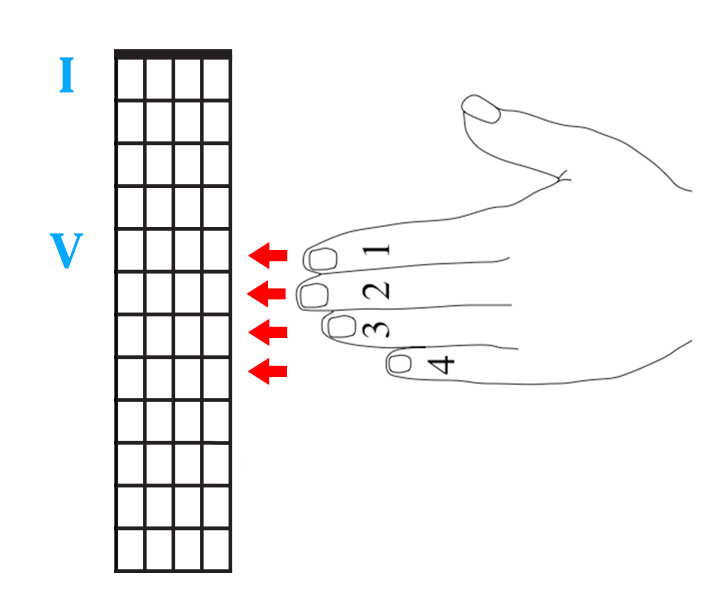
Fifth PositionPlace your first finger on the fifth fret of the first string, and you're in the fifth position! This position consists of frets five to eight, one fret for each of your four fingers. Why use the fifth position instead of the first position? The availability of higher pitches, and notes in the fifth position are more responsive to vibrato and glissando technique. |
 |
Four notes in the fifth position are used in Sanoe. Three of these notes—D, E and F—are found on the first string:
Fifth Position | Notes on the first string
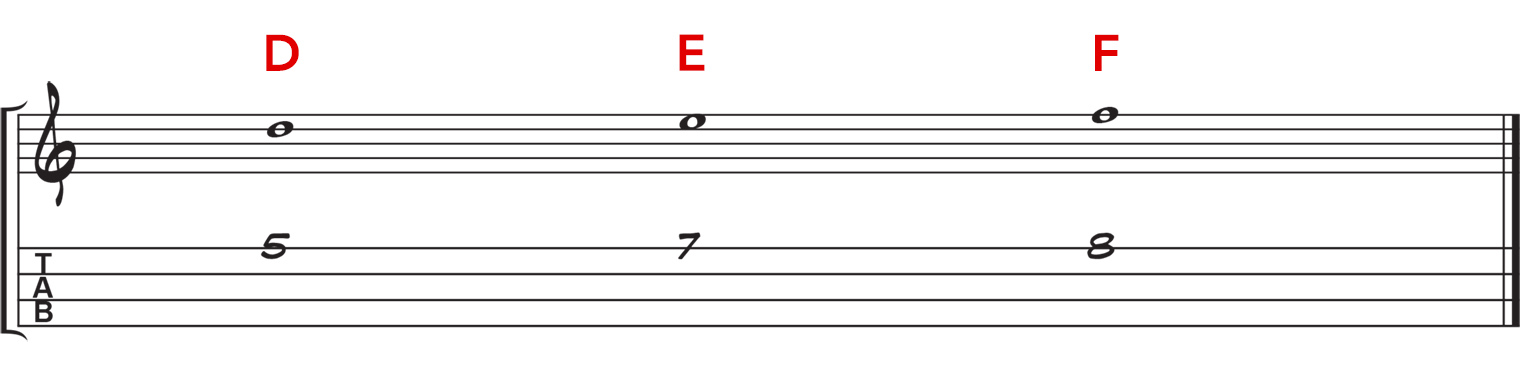
Fifth Position | Third finger holding the seventh fret E in the fifth position.
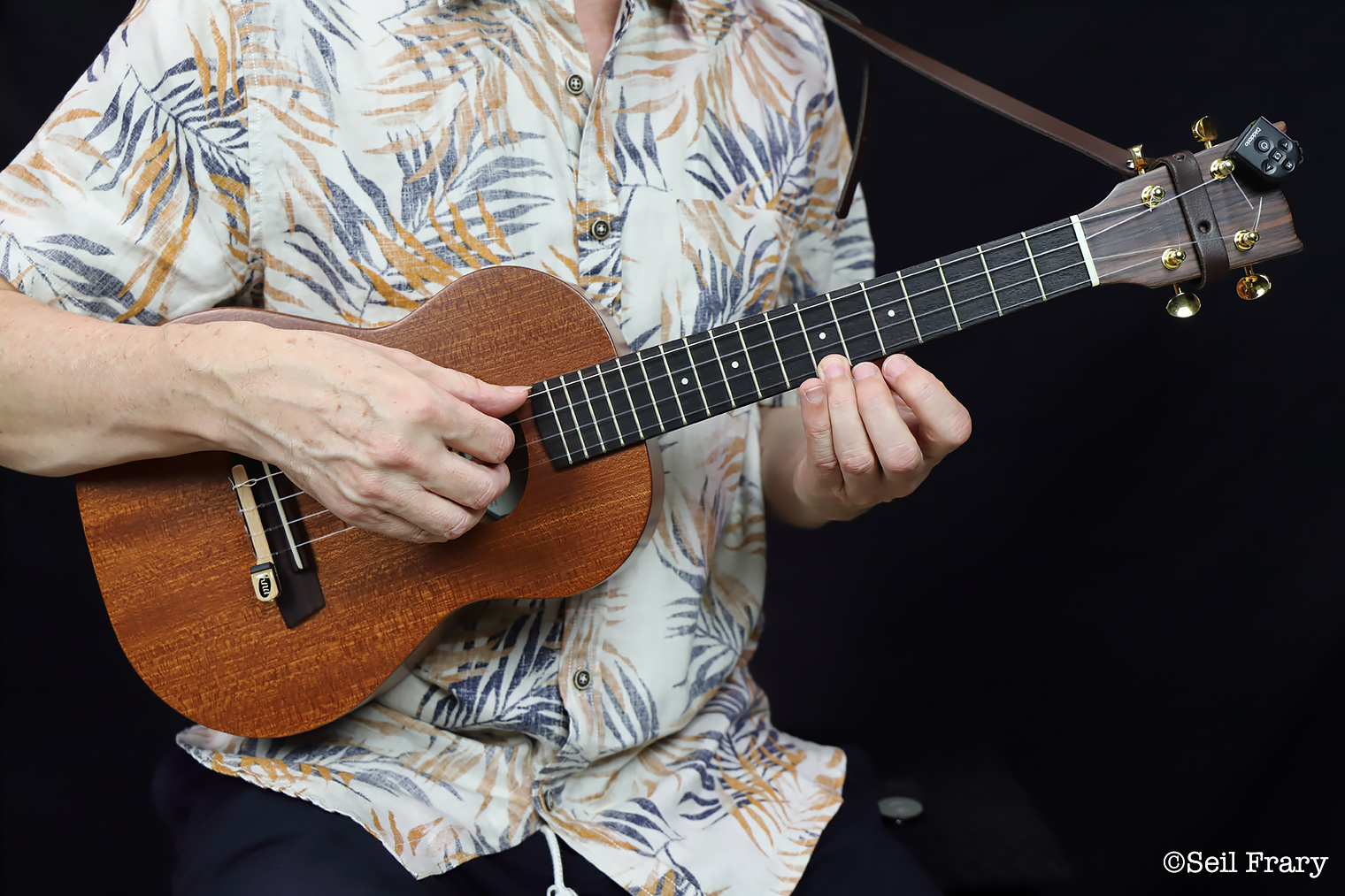
Three notes—A, B and C—may be played on the second string in the fifth position. These notes are duplicates of the A, B and C you've been playing on the first string since the beginning of the term. Now you have a choice of where to play them!
Fifth Position | Notes on the second string
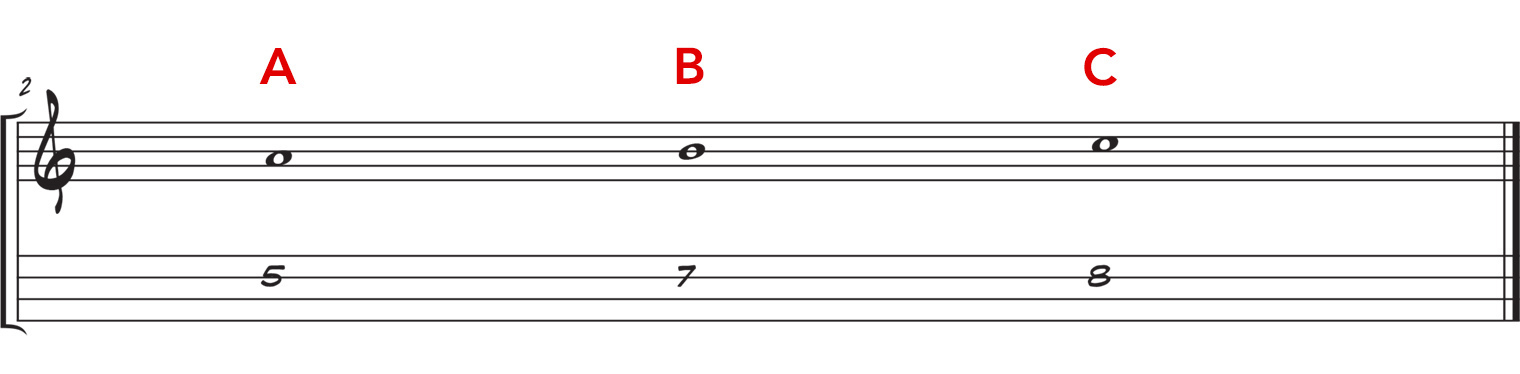
The TAB notation for Sanoe specifies the fret positions. However, if you read notes, you are not beholding to TAB fingerings and, thus, are free to play A, B and C in either position as the spirit moves you.
Reinforce your knowledge by playing the new notes and speaking their names aloud. Recite over and over until it sticks in your ear and memory.
TAB Users
If you're reading tablature, you mainly need to get used to locating 5, 6, 7 and 8 TAB numbers and shifting up and down the neck. Nevertheless, learn the fifth position note names. This information will be useful for advanced studies of scales and chords.
Position Shift
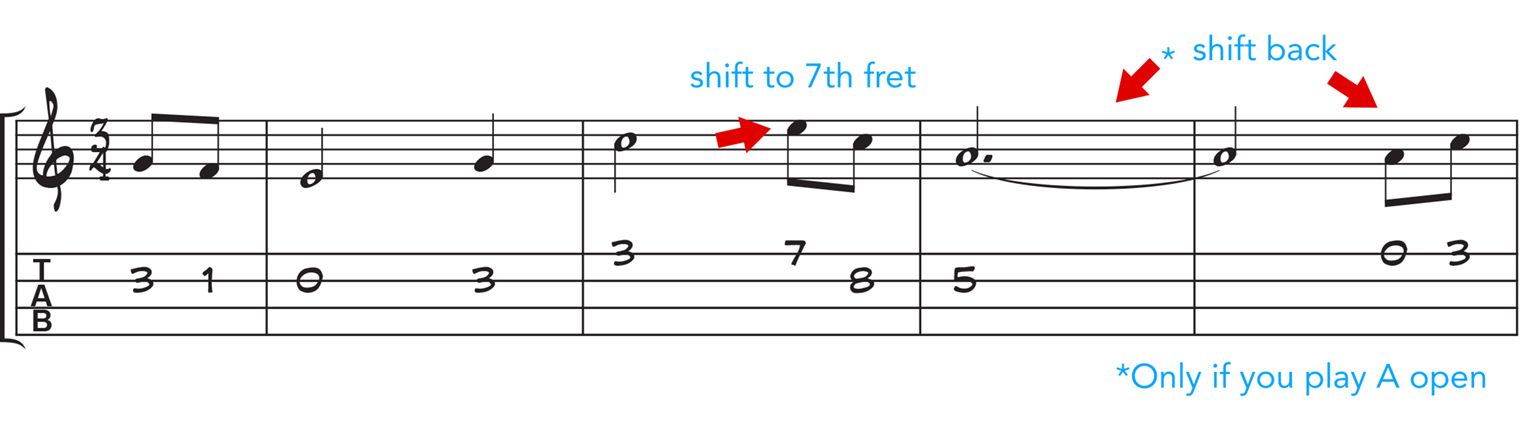
To play notes in the fifth position, a position shift is required—movement of the hand to a different fret. When possible, keep the shifting finger in light contact with the string as you move along the fingerboard. For example, to shift from C (third fret) to E (seventh fret), quickly slide your third finger along the string, stopping on the seventh fret E. As you pluck the open A eighth note, bring the hand back to the first position. If you need more time to execute the shift, play the tied A notes open (rather than on the 5th fret).
Position Markers
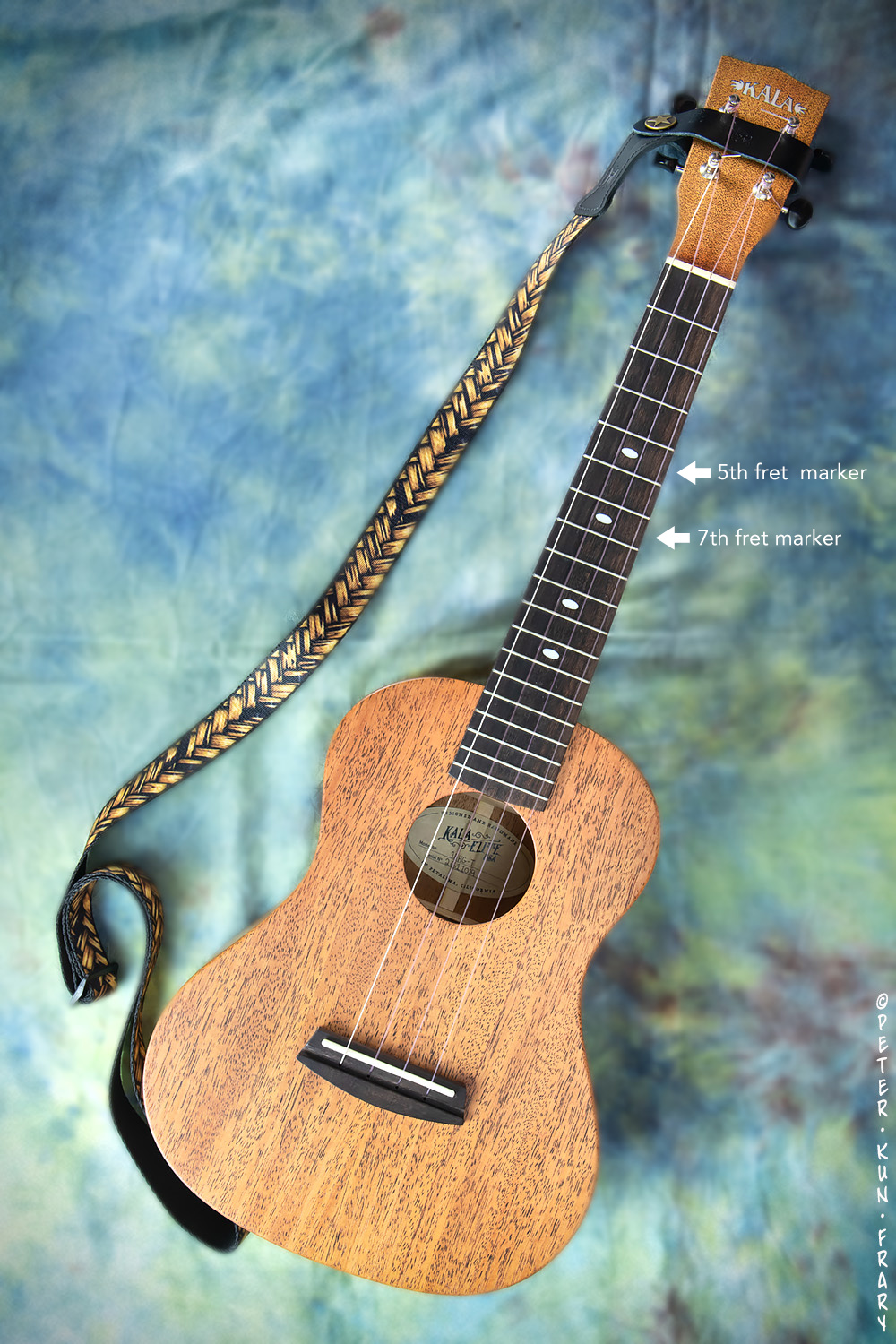
Most ʻukuleles have 5th and 7th fret position markers on the fingerboard and/or side of the neck to guide shifts. It is helpful to look at the target, the fret you're shifting to, rather than looking at your hand as it moves. With practice, you won't have to look during most shifts but, for now, keep your eye on the fret!
Position Markers | A Kala Elite Doghair with position markers on the 5th, 7th 10th and 12th frets. Most ʻukuleles also have markers on the side of the neck.
 Accidentals
Sharp Symbol
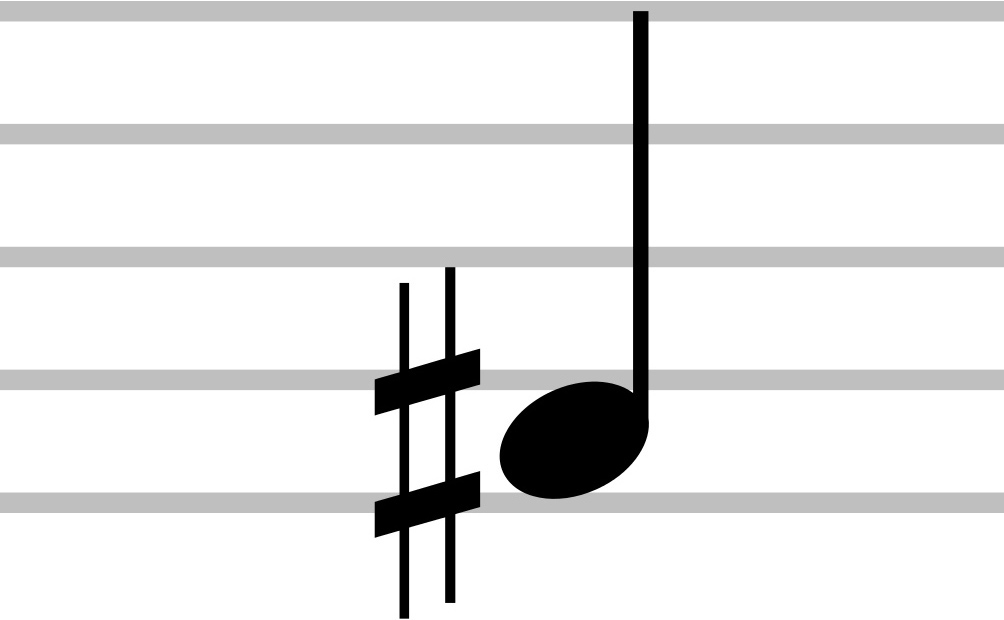
We've mainly used the seven natural notes of the C major scale: C-D-E-F-G-A-B. Additional tones may be created by lowering or raising note pitch with symbols called accidentals. For Sanoe, only one accidental is used, the sharp (
Sharp Symbol | This symbol (
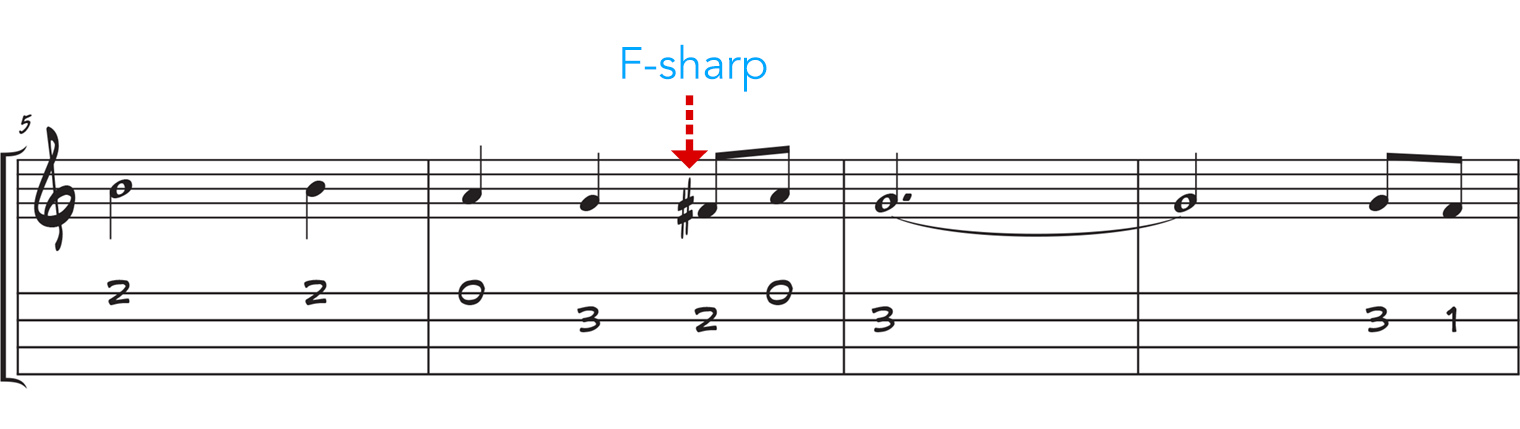
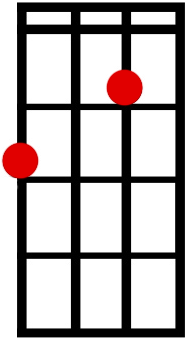
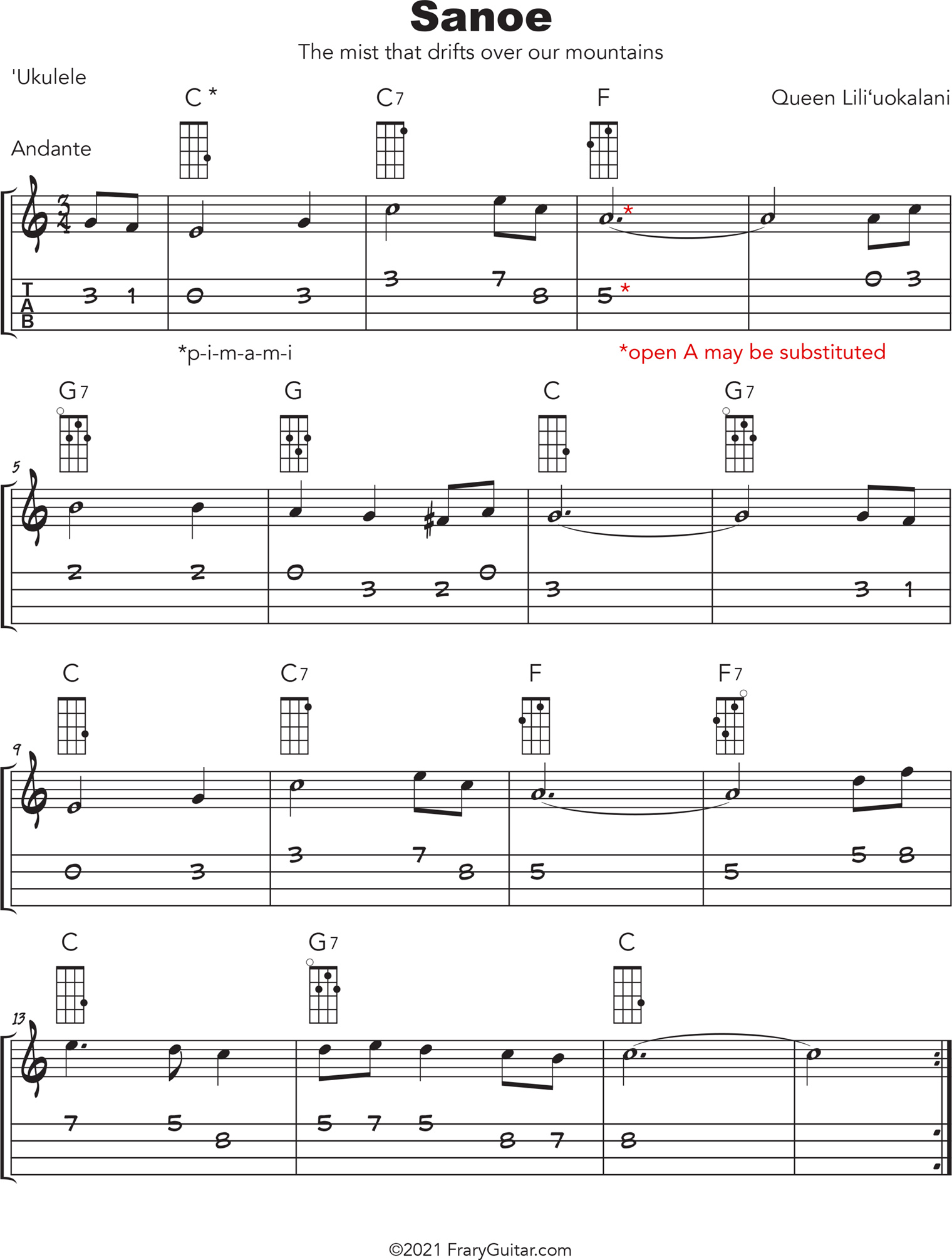
Sanoe's only sharp is on the F in the second measure of the second line. F is normally played on the first fret of the second string. The sharp tells the player to move the finger up to the second fret, resulting in a F-sharp. If reading tablature, you don't have to think about the sharp. Just read the number and you're good!
Sanoe and F-Sharp | Play F-sharp on the second fret of the second string.
 Chords
Sanoe's chord transitions are relatively easy so it's all about making them sound smooth, sonorous and beautiful.
Arpeggio
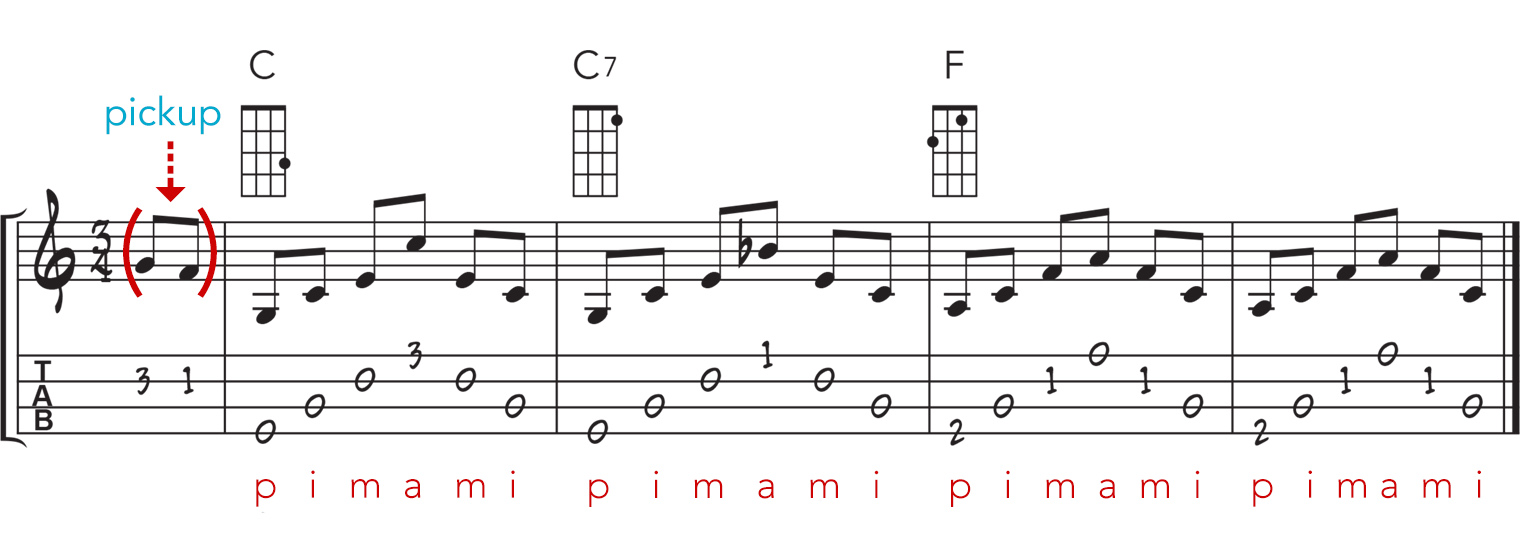
Sanoe is a ballad in triple meter and, thus, works well with the P-i-m-a-m-i arpeggio we used in several prior pieces. We use the P-i-m-a-m-i arpeggio pattern on the video and the audio recordings.
P-i-m-a-m-i Arpeggio
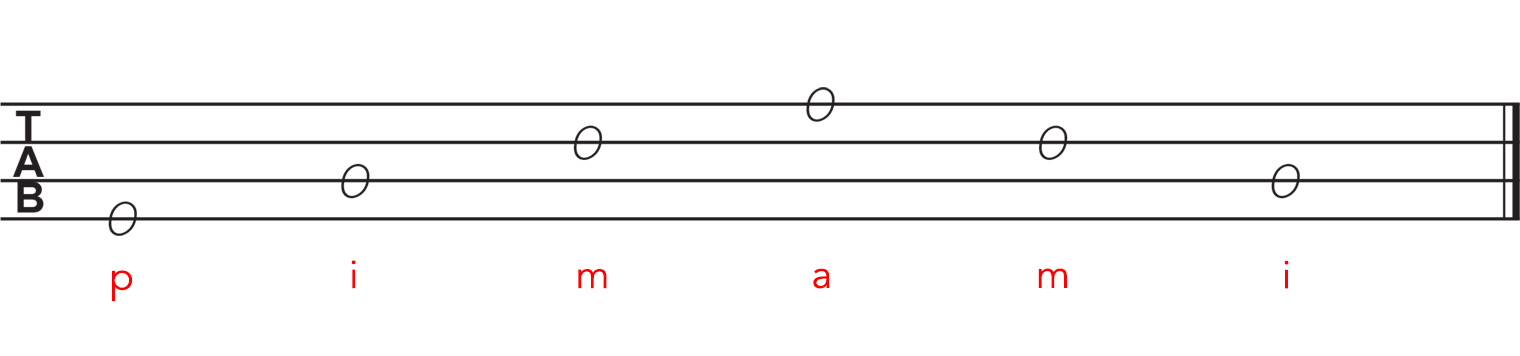
Sanoe and P-i-m-a-m-i | First line chords with the P-i-m-a-m-i Arpeggio.
Click for a direct link to the audio track.
Strum
We don't use strumming in the video and audio recording but, if arpeggios are not to your liking, the Simple Strum 3/4—a single strum on the downbeat—sounds beautiful, especially if you're working with a bass player. A warm harp-like tone is desirable in this style, so strum gently with the flesh of your thumb over the end of the fingerboard.
If you prefer a more busy pattern, the Flat-Three Strum (three down strums) imparts a gentle tropical sway to Sanoe.
Practice
Finally, get the sound of Sanoe in your ear by listening to the audio track. It's a straightforward arrangement with melody, P-i-m-a-m-i chords, and improvised melodic fills between phrases. Once you've worked out the mechanics of the piece, practice with the audio recording.
Sanoe | Peter Kun Frary, ʻukulele
Download | Sanoe

Vocabulary
Sanoe, fifth position, fret position marker, accidental, sharp, half step
 |
 |
 |
 |
©Copyright 2026 by Peter Kun Frary | All Rights Reserved