While there is conflicting information concerning the origin of God is so Good, it is commonly believed to be of African (Namibia) or African-American origin. Because the composer is unknown, although several have claimed it, it is usually credited as a folk song. The lyrics are as simple and straightforward as the melody: “God is so good, God is so good, God is so good, He's so good to me.”
Study Tips
Melody
This piece is based on a two-measure motive which is varied and organized into two four-measure phrases. The melody will fall easily under your fingers. Alternate middle and index fingers (m-i) if you're playing fingerstyle, and be sure to give each whole note four beats.
New Note
The note D was introduced in the “Notes on the First String” diagram in the 'Ukulele Blues and the First String chapter, but wasn't used in any songs up to this point. Per the image below, D is found on the fifth fret of the first string. Play it by stretching out your little finger—the pinkie—all the way to the fifth fret.
Practice the melody until smooth. Play along with the audio track to help shore up your rhythm.
Once the melody sounds solid, begin working on the chords.
Chords
For the accompaniment, the Down 2x Strum is recommended: strum downwards every two beats with the thumb (beats 1 and 3). This strum underlines the metrical accents without overwhelming simple melody. If you need a review, the Down 2X Strum was covered in prior pieces, including Ode to Joy, Imo ʻImo, and The First and Only.
Bar Technique
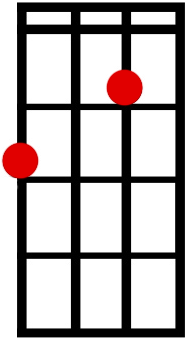
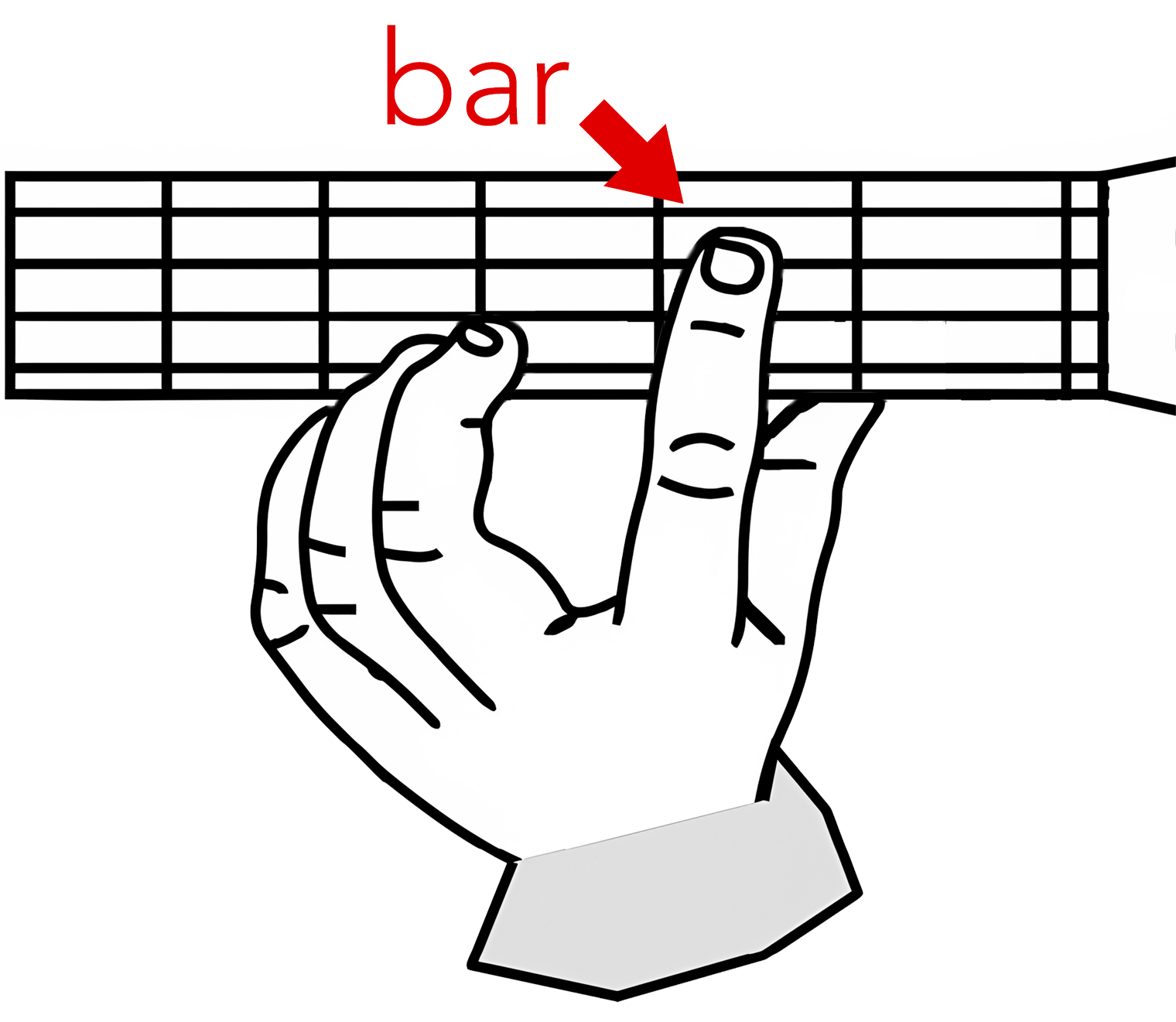
God is so Good has two new chords: B min and E7. Once memorized, the E7 should be relatively easy. However, the B min requires the use of a new technique, the bar or barré: fret two or more strings with the first finger. For a clear sound, keep the bar finger parallel to the fret and press evenly and as closely to the fret as possible.
Bar for B min
To play the bar in the B min chord:
Use the side of your first finger to press down the first, second, and third strings on the second fret.
Stretch the third finger to fret the fourth fret of the fourth string.
B min Chord | Press your index finger across three strings in the second fret.
The transition from G to Bmin to E7 is challenging, so take extra time to spot practice the transition.
 •••
•••

 Musings
 Study Tips
 Melody
 New Note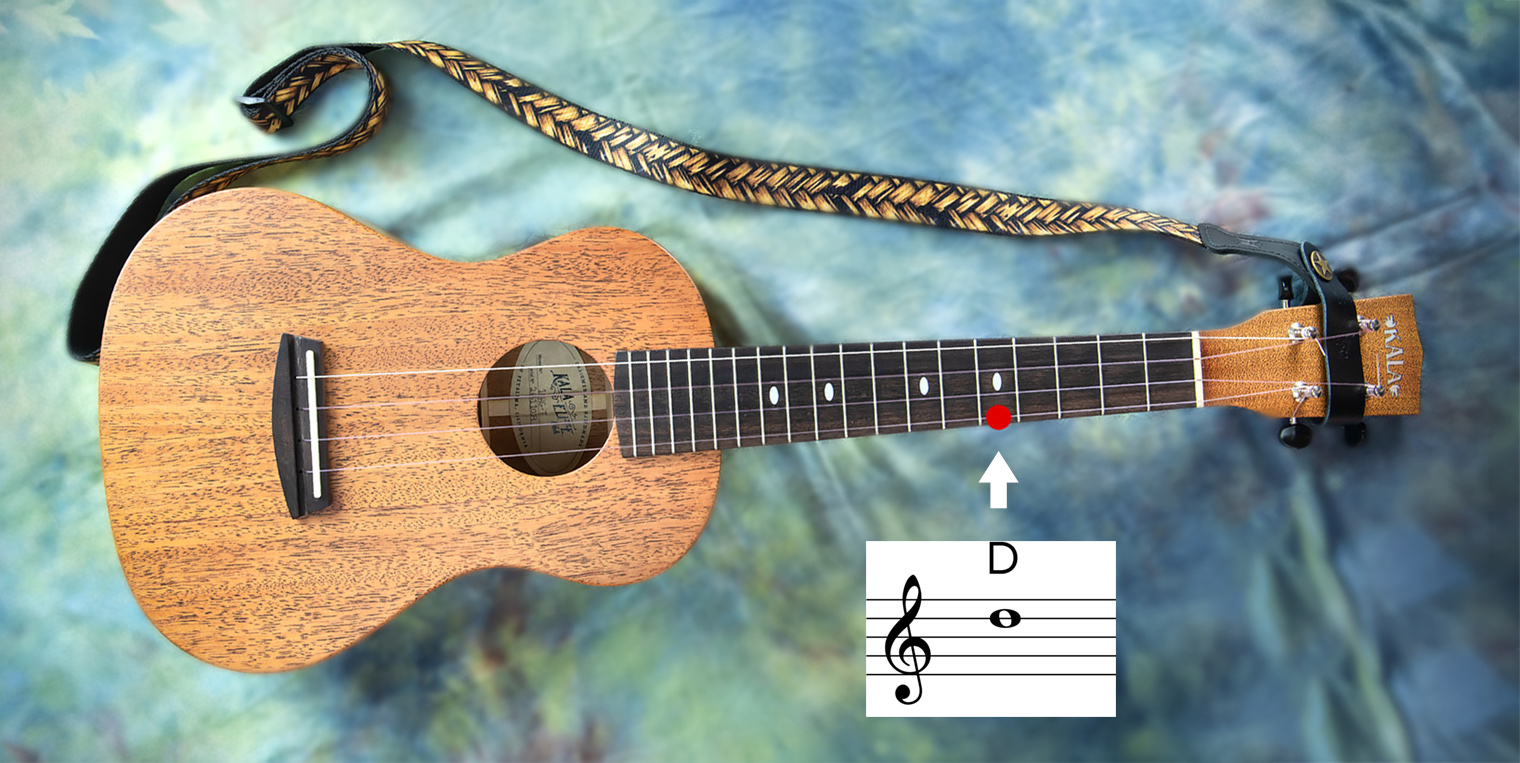
 Listen to the Track
 Play the Melody Now!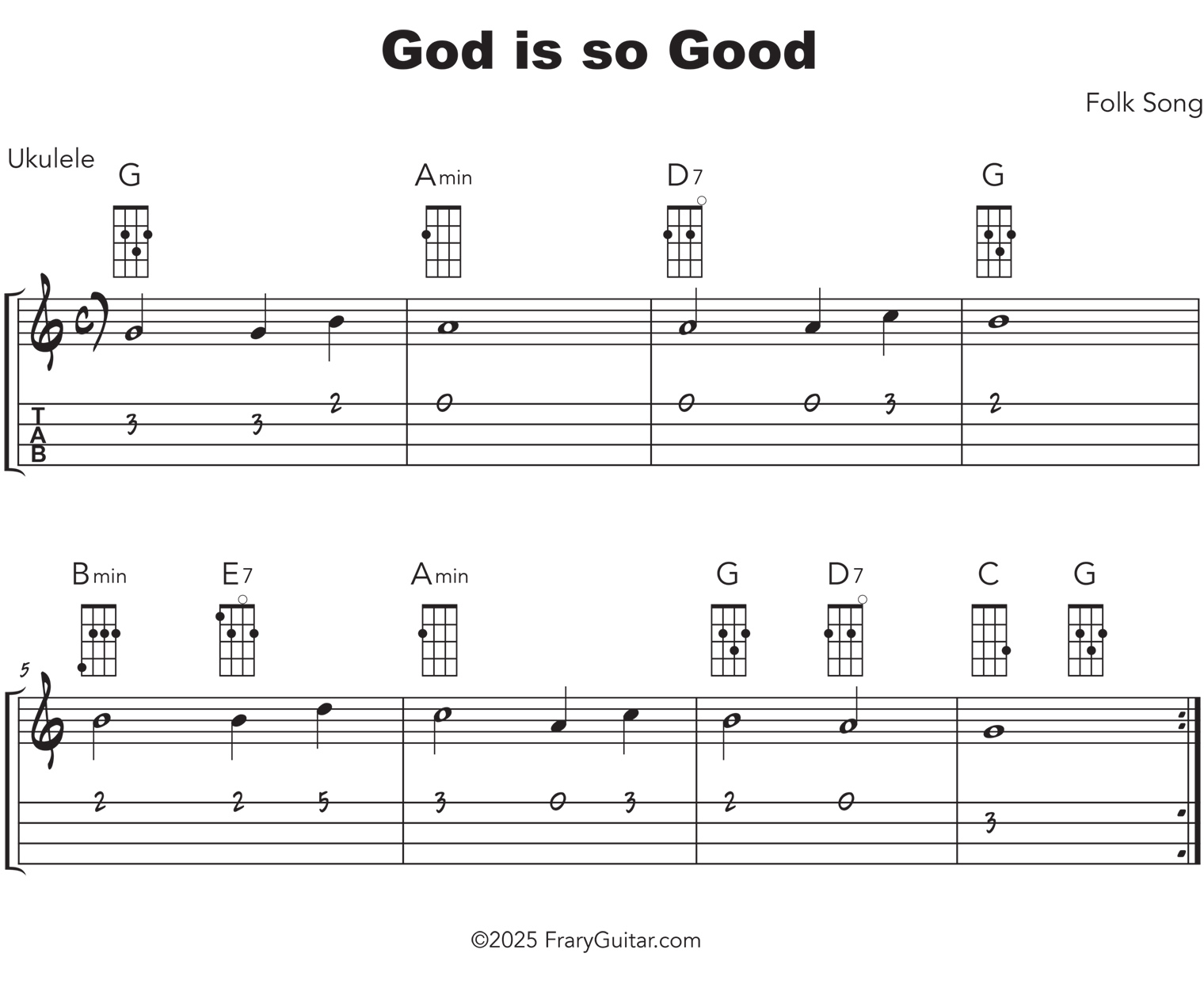


Daily Review