In this lesson, you will explore practice strategies and test out your new music notation knowledge on music reading exercises.
Kremona Coco ʻUkulele | Peter Kun Frary
How to Practice
Do It Every Day
Successful musicianship begins with a daily practice schedule. The goal of practice is to increase fluidity and make playing skills second nature. Practice of new skills and knowledge should be immediate and repetitive, otherwise you'll forget what you learned.
How much time should you practice? Start with thirty minutes of daily practice. If you need to practice longer, divide your practice time into several short sessions.
Practice Plan
Once committed to daily practice, formulate a practice plan with goals. Nothing elaborate, just things to work on in each session. For example, you have five things to work on at this point:
Memorizing new music symbols and chords
Forming correct sitting and hand positions
C Major Scale (TAB)
Chord strums
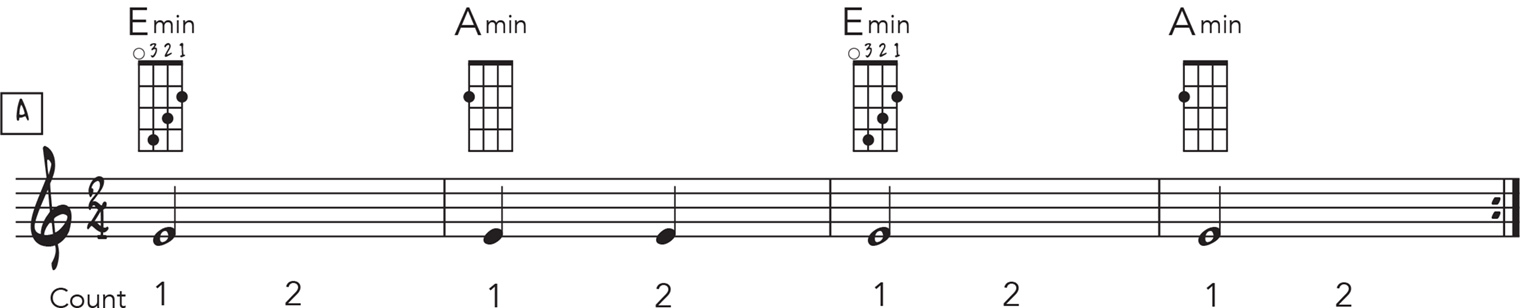
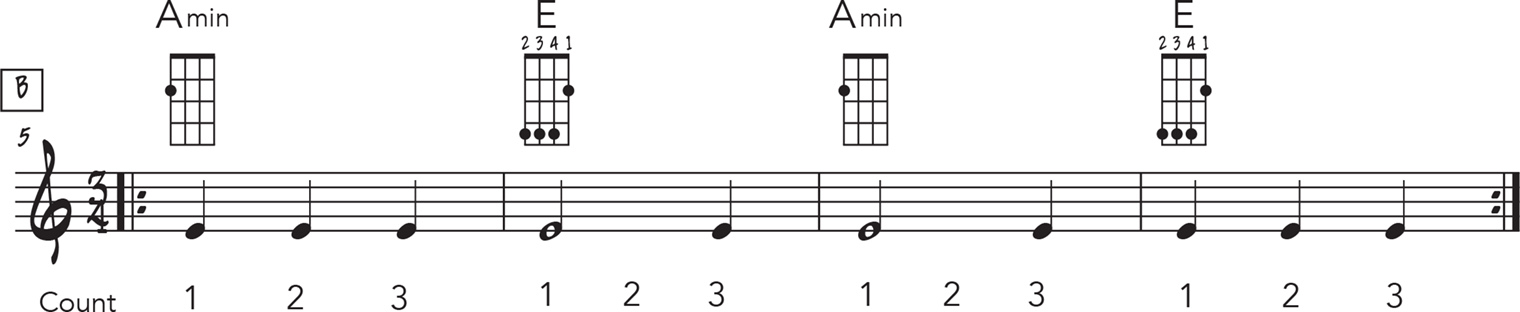
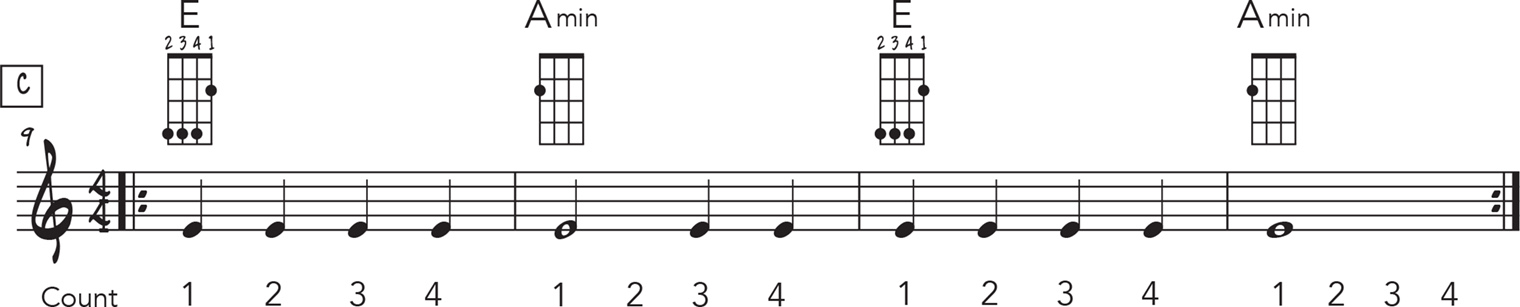
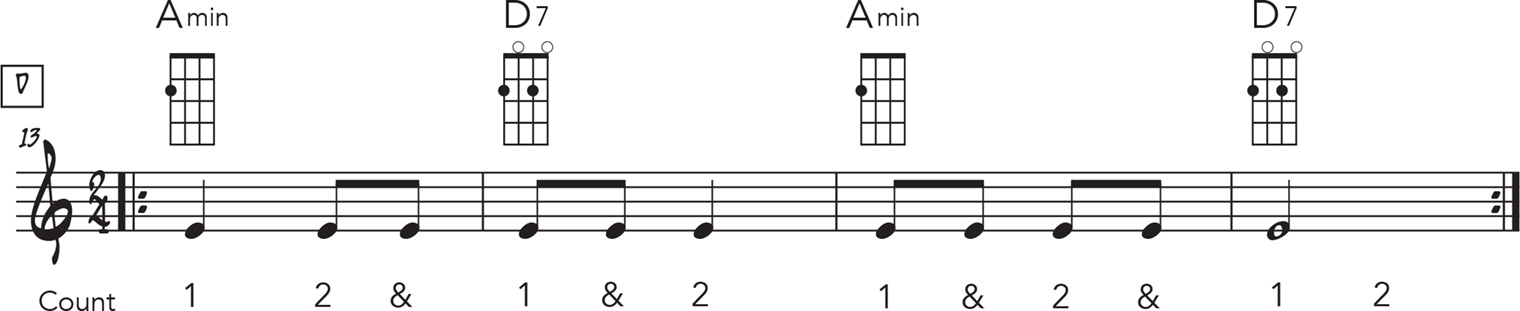
Da Beat Thing exercises (see below)
Here are practice goal suggestions: play the scale, strum and rhythm exercises smoothly, and know the symbols, chords and technique by heart.
Avoid Distractions
Set aside time to work through your practice routine without interruption. Don't do other things like watching TV or scrolling through social media. Devote your full attention to playing 'ukulele.
Quiet Afternoon at Leeward | Practice makes perfect! | Grace Seil Frary
Be Critical and Spot Practice
Listen critically to your playing and make changes to improve. For example, if chord transitions are not smooth, ask yourself why. Are you spending too much time deciphering chord diagrams because you didn't memorize them? Perhaps you are staggering finger placement instead of placing all the fingers down at the same time? Once you understand the problem, spot practice that area slowly so you can work in the improvements. Increase tempo after technical issues are resolved. This approach accelerates improvement and, ultimately, enjoyment of playing.
Using Audio Tracks
All music in this textbook has an audio track and/or video to help you learn. Here's how to get the most from audio tracks:
Study the lesson text and learn the new notes and techniques.
Listen to the track to help form practice goals.
Practice the piece until smooth.
Finally, practice playing along with the audio track.
As you play along with the track, you may notice incorrect rhythms or notes. Correct the errors and spot practice those areas until smooth.
Review Old Pieces
Finally, a good session includes practice of both new material and prior lessons. Besides providing a good warm-up, older pieces continue to improve for weeks, sometimes months, after your initially learn them.
Patience is a Virtue
It takes time to learn to play 'ukulele: musical skill and knowledge develop gradually across months and years of practice and study. A technique or piece may not work today but, with due diligence, will come around. The ability to work towards a goal without crippling frustration or giving up is a key aspect of musical success. Indeed, learning to play 'ukulele is a course in patience and persistence.
“Da Beat Thing” Tips
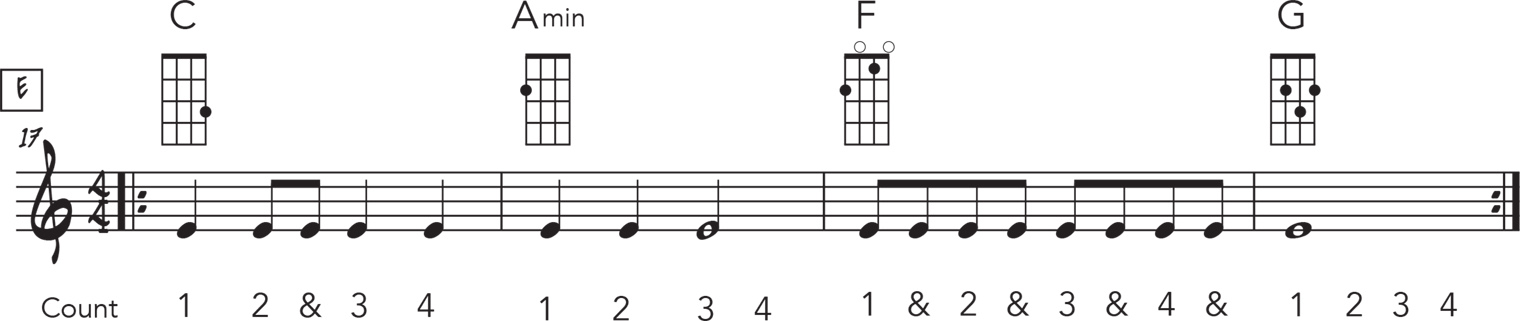
Practice your rhythm skills by clapping and counting aloud Da Beat Thing below. Keep a steady beat as you clap the rhythm. Once you can clap the rhythms smoothly, practice the same exercises on the open second string of the 'ukulele. Maintain the meter’s accent pattern and alternate the right hand fingers between the middle and index fingers (m-i-m-i).
Using the Audio Player
Listen to or play along with each exercise by clicking on the audio player below each staff. After clicking the play button, you'll hear a metronome countdown to clue the downbeat. Each exercise plays three times.
Repeat Symbol
A double bar with two dots indicates repetition of a musical section. All of the Da Beat Thing exercises have a repeat symbol at the end of the line.
In case you forgot the note durations, here they are again:
Da Beat Thing
The note E, used in Da Beat Thing, is the open second string of the 'ukulele. Focus on playing the note rhythms. The chords are for the teacher's accompaniment.
Exercise A
Exercise B
Exercise C
Exercise D | Sing "eat" for quarter notes and "su-shi" for eighth notes
 •••
•••

 How to Practice
 Practice Plan
 Avoid Distractions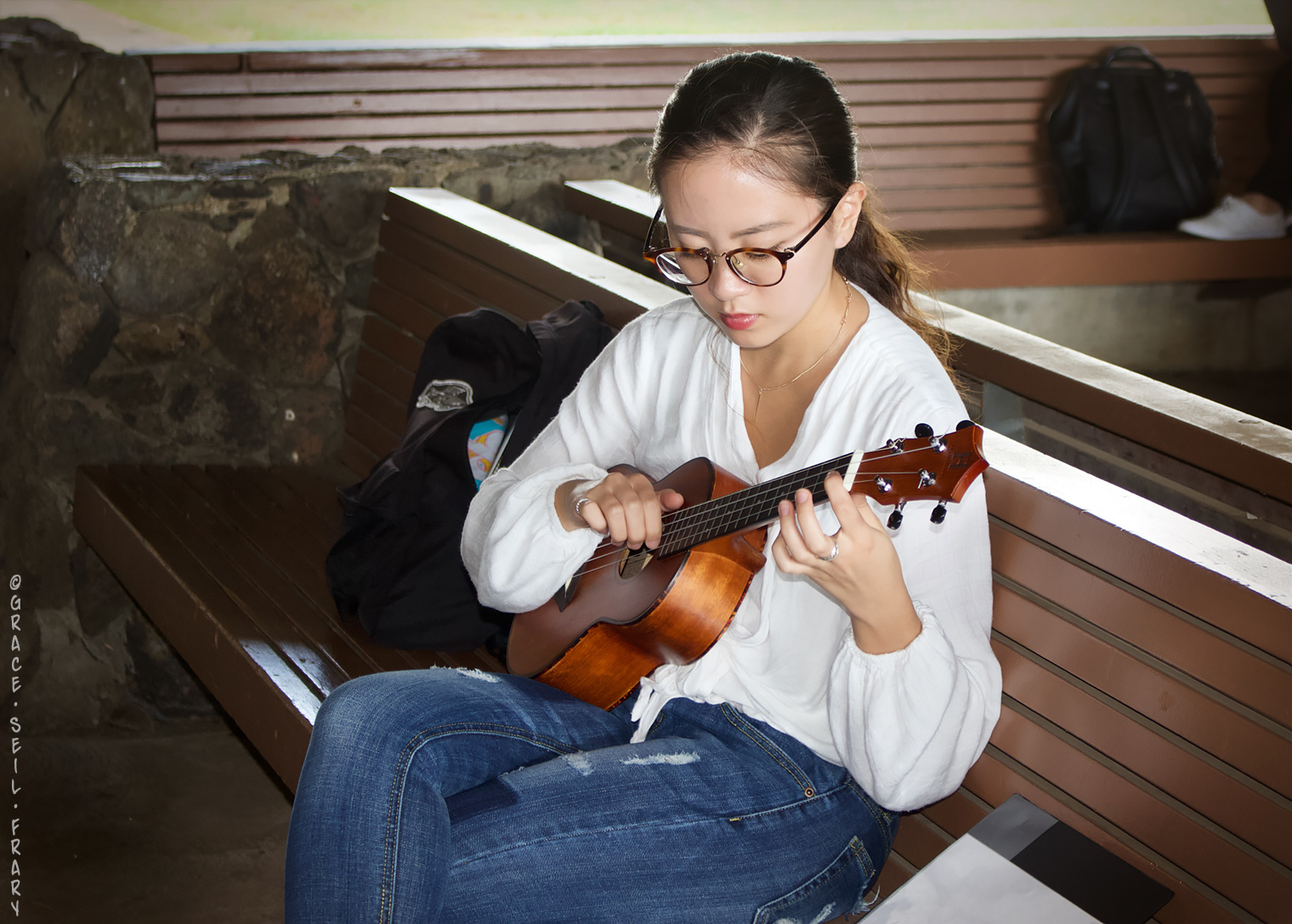
 Using Audio Tracks
 Review Old Pieces
  Patience is a Virtue
 “Da Beat Thing” Tips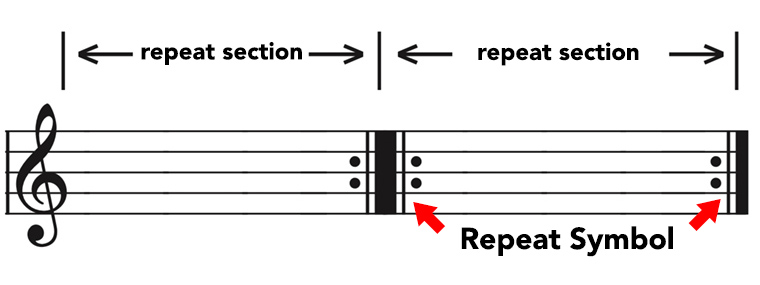

 Da Beat Thing